Make Anything a Pet
A Roblox pet game where you zap everyday objects with a wand and they turn into googly-eyed pets that earn for you.

My role
I directed the game and made the call to stop after the first public build ('publish the fix then that's it, no more'). Claude Code sessions, using our roblox-game-forge skill and a reused Luau kit from That Dang Grass, built the whole game; an 'Architect' Claude session supervised. Published under the Mr Chow Studios group.
What it is
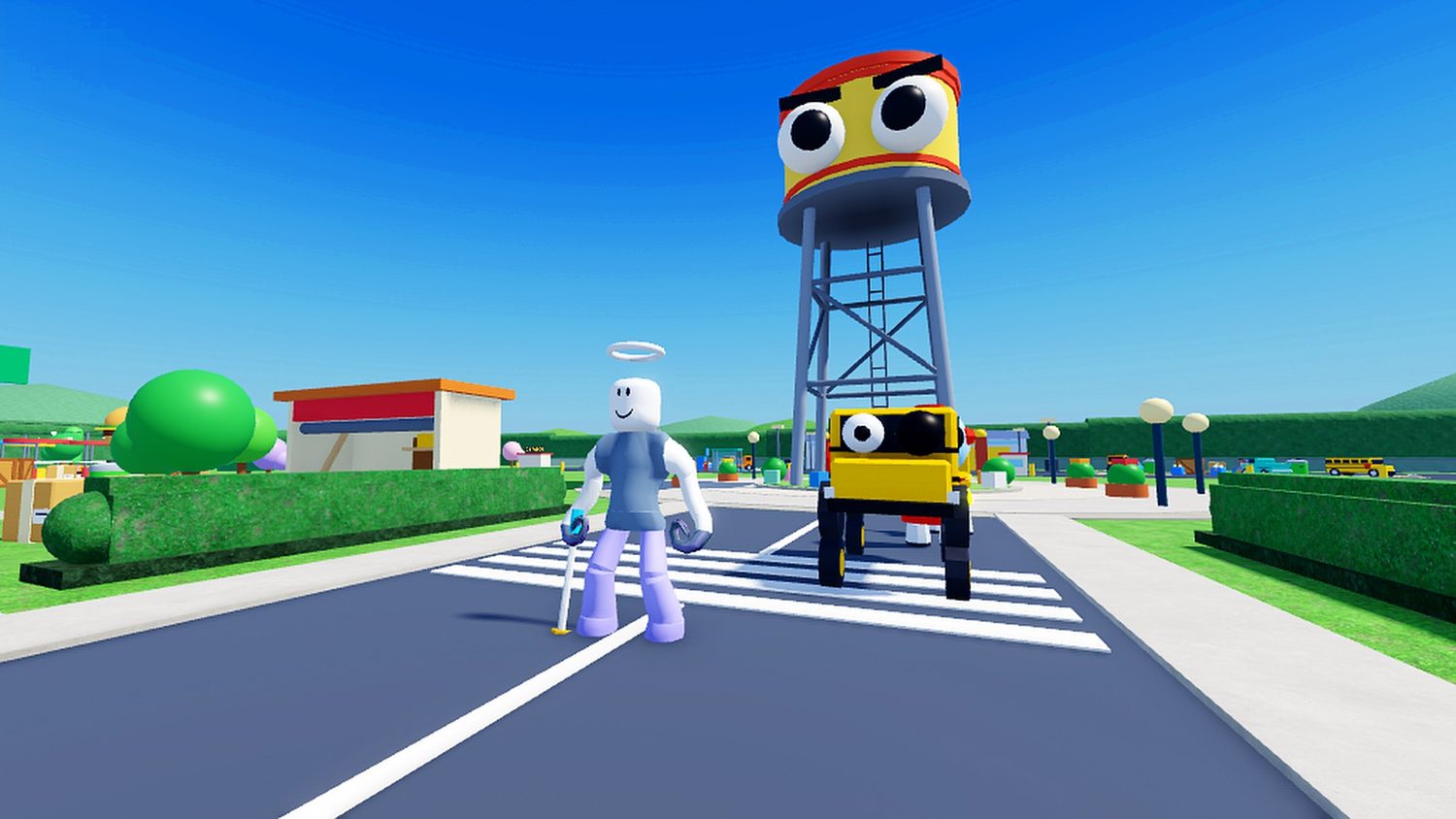
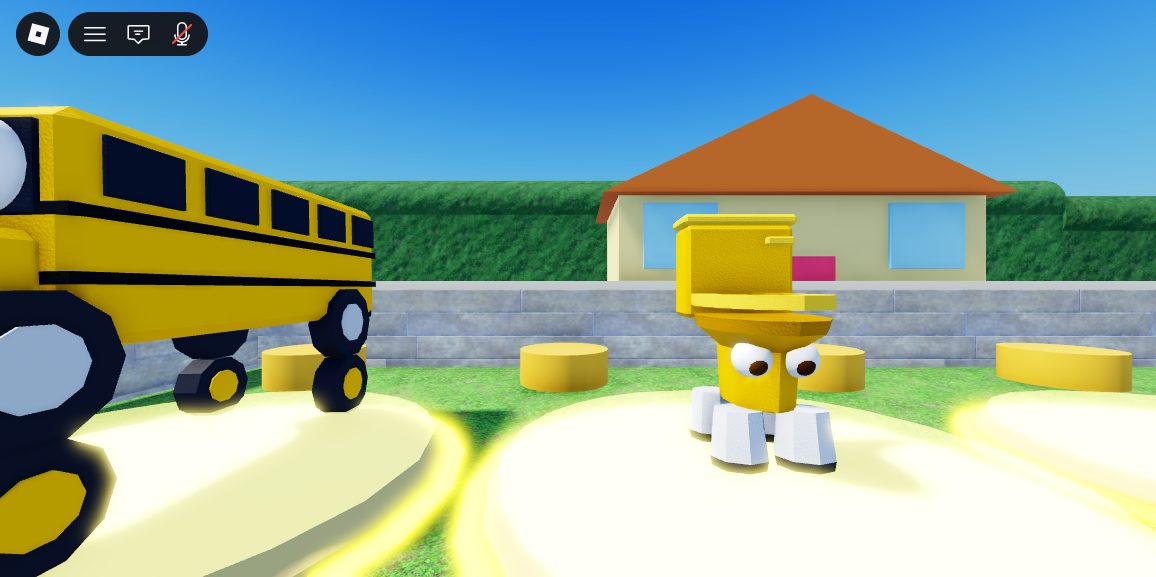
Make Anything a Pet turns props like mystery boxes, buses and toilets into pets. You aim a wand at an object, hit a timing band for a PERFECT zap, and it becomes a hopping, waddling or rolling pet with googly eyes that earns money in your yard. Bigger wand tiers (Life, Chain, Magnet, Storm) zap bigger things.
It was built end to end in about a day as a test of our new-game pipeline: plan, full build, then a short public test. The build covered 17 pet families, a Maple Street map assembled at boot from 1,468 parts, yards, a keep shelf, upgrades, rebirth, an index with odds, daily boxes, a tutorial and a shop with 3 passes and 14 products.
It went public as version 30 on 2026-10-10 after a tutorial bus fix. After that I paused it so effort could go to other games. A forgiving-aim fix was specced but never started.
How it was built
- Brief and planA kickoff brief from the Architect (BRIEF.md, 2026-10-09) pointed to a separate plan with build order, remotes, data model and analytics. The rule was a full publish-ready game with no cuts made only to save hours.
- Reuse the kitInstead of starting from nothing, the That Dang Grass kit (src, publish tool, analytics, UI packs) was copied. The project folder still carries the kit's Config and Logic modules (Economy, Tools, Followers, Plots, LiveOps and so on) in src and an archive folder of retired ones.
- Core verb: the zapThe zap has 6 depth layers: target choice including Shiny and Golden sightings, a PERFECT timing band, Sparks and Supercharged states, chain routing, magnet stuffing and four wand tiers.
- Pets and art17 pet families were modelled in Blender with googly-eye rigs and hop, waddle and roll gaits. Pet and world meshes are loaded at boot from group-owned assets, so the map is code-defined rather than saved in the place.
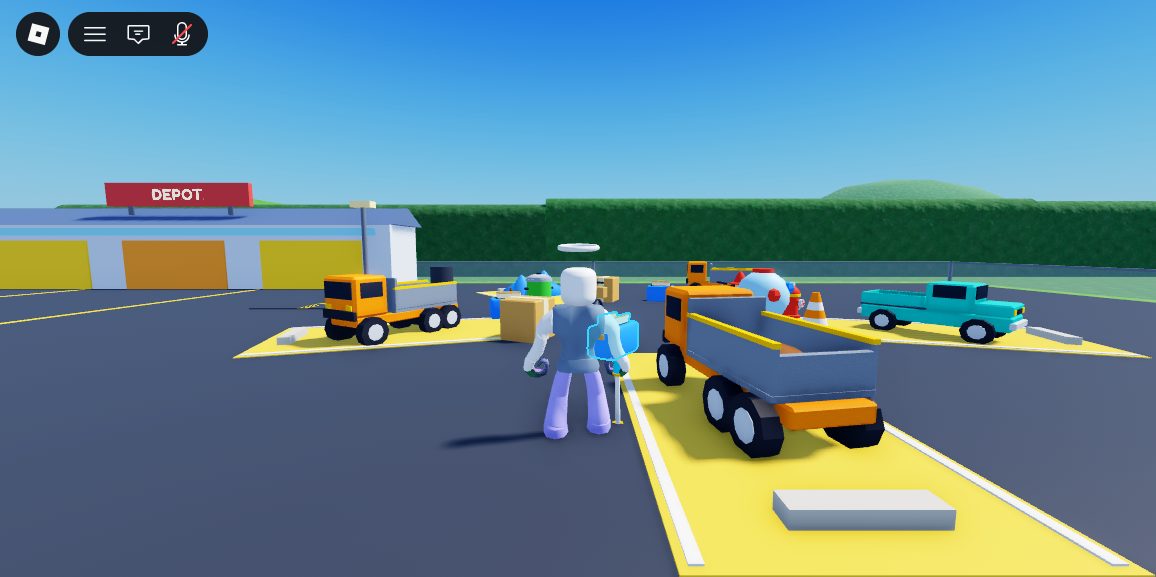
- WorldMaple Street is generated at boot from 1,468 parts plus a library of Blender meshes, including a depot with trucks and a water-tower pet. Placement checks (front and side captures) confirmed props sit upright and grounded.
- Progression and economyYards with an idle one-in-sixteen rule, a keep shelf, upgrades, rebirth, an index with published odds, daily boxes and an offline pile. An economy simulation (docs/economy/sim-v1.md) checked that progression does not flatten after about 15 minutes.
- Shop and compliance3 passes and 14 products under the group with odds shown on the shop screen, PolicyService gating before any paid box, and a questionnaire audit. Shop captures were taken on iPhone 7, Galaxy A06 and PC 1080p simulators over several revision rounds.
- AnalyticsFunnel events and per-server fast counters, copied from the Cut Grass kit, so a 72-hour test could be read quickly.
- Publish and testCode synced into Studio over HTTP pull, then published with tools/publish/publish.mjs after a cold-run test. The v30 fix removed tutorial failsafe firing (cold run: 0 failsafes) and passed a live smoke check; the game ran public at server size 8.
- Launch artFour store thumbnails, an icon and five ad creatives were generated from in-game captures with the Codex image tool, with an honesty check image for claims; the icon is the yellow bus pet.
Decisions and why
- Restore the Magnet wand, rebirth, index and shop that the plan had cut for time.
- The biggest risk named in the plan was progression flattening after about 15 minutes; those systems were meant to fix it.
- Reuse the Cut Grass kit instead of rebuilding foundations.
- Speed: saving, receipts, analytics and publish tooling were already proven.
- Stop after the first public fix.
- I judged it more valuable to move effort to other games than to polish this one; the aiming fix stayed unbuilt.
Hardest problems
- The tutorial depended on a failsafe that fired for real players, so the first minute was not trustworthy.
- The 'Welcome Bus' fix (v30) was verified with a cold run that had 0 failsafes and a live smoke check (docs/evidence/cold-run-bus-fix-2026-10-10.md).
- Aiming at junk props did not feel reliable.
- A forgiving-aim spec was written (docs/next/aiming-fix-2026-10-11.md) but not built before the pause.
- Shop tiles had to fit phones without making the UI bigger than PC.
- Several capture rounds on phone and PC simulators checked the same-size UI before publish.
Numbers
| Pet families | 17 | 2026-10-10 |
|---|---|---|
| Map parts built at boot | 1,468 | 2026-10-10 |
| Shop contents | 3 passes and 14 products | 2026-10-10 |
| Live version at pause | v30, public, server size 8 | 2026-10-10 |
| Notes in the project folder | 49 | 2026-11-06 |
| Zap depth layers | 6 | 2026-10-10 |
Timeline
- 2026-10-09Kickoff brief from the Architect.
- 2026-10-10Full game built in a private place, then published public as v30 after the tutorial bus fix.
- 2026-10-10Paused by me: publish the fix and stop.
- 2026-10-11Forgiving-aim fix specced but not started.
What I took from it
- A full build in about a day is possible when the kit, publish tool and analytics already exist; the cost is spent on art and feel.
- Deciding to stop early is a result too: the pipeline is meant to test ideas and move on.
- Real-input testing of the core verb matters; a tutorial that relied on a failsafe would have misled any retention number.